Understanding How to Get DMT Naturally: A Guide to Extraction and Use
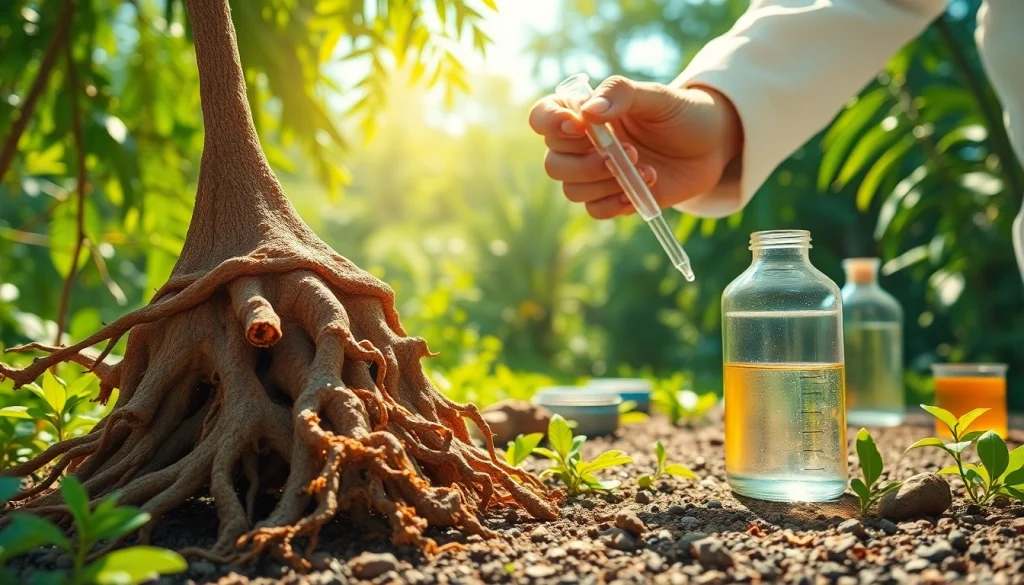
Introduction to DMT and Its Natural Sources
DMT, or N,N-Dimethyltryptamine, is a powerful, naturally occurring psychedelic compound that has intrigued scientists, psychonauts, and casual seekers of altered states alike. Known for its short but intense hallucinogenic experiences, DMT is often regarded as one of the most potent psychedelics known to humankind. For individuals looking for information on how to get dmt, understanding its sources and extraction methods is essential.
What is DMT?
DMT is a naturally occurring tryptamine that is found in a myriad of plant species and even in trace amounts in the human body. It serves as a substrate for serotonin receptors, primarily the 5-HT2A receptor, which is believed to play a crucial role in the psychedelic experiences reported by users. The molecule has a structural similarity to both serotonin and melatonin, leading to its profound effects on consciousness.
Natural Sources of DMT
Several plants have been identified as natural sources of DMT. Among the most notable are:
- Mimosa hostilis: The root bark of this plant is one of the most common sources for DMT extraction.
- Psychotria viridis: Often utilized in traditional South American shamanic practices, this leaf contains DMT in its natural form.
- Diplopterys cabrerana: Another plant commonly found in the Amazon, known for its high concentrations of DMT.
The Role of Plants in DMT Cultivation
The cultivation of plants containing DMT can often be done in personal gardens, provided local regulations support such endeavors. Growers hoping to extract DMT from these plants should focus on organic cultivation methods, avoiding synthetic fertilizers and pesticides. This not only ensures a purer end product but also aligns with the holistic philosophy many practitioners adopt.
How to Get DMT: Extraction Methods
The methods employed to extract DMT from its natural sources can range from traditional techniques that have been used for centuries to modern laboratory methods that are increasingly popular.
Traditional Extraction Techniques
Traditional DMT extraction involves processes that have been handed down through generations, particularly in indigenous cultures of South America. These methods often include:
- Boiling and Straining: In rituals, parts of the plant are boiled and filtered. This can involve the use of other plant materials to enhance the psychoactive effects.
- Acid-Base Extraction: This involves a series of steps to isolate DMT from the plant material using safe, household chemicals. Typically, a non-polar solvent is used to precipitate the DMT after the acidic extraction.
Modern Laboratory Synthesis
Contemporary approaches to DMT extraction often involve laboratory synthesis and advanced chemical processes. These methods allow for greater yields and purity, but necessitate a strong understanding of organic chemistry and access to necessary equipment. Some popular methods include:
- Reflux Method: A process that uses heat to facilitate DMT extraction, creating a concentrated product swiftly and efficiently.
- Isolation through Chromatography: This method separates different compounds based on their chemical properties, allowing for high purity of the extracted DMT.
Safety Considerations in Extraction
Regardless of the method chosen, safety precautions are crucial. Users should wear proper protective gear and work in ventilated areas to avoid inhaling harmful fumes. Additionally, it is important to familiarize oneself with the chemical reactions that occur during extraction to mitigate risks.
Legal Aspects of DMT Acquisition
The legal landscape surrounding DMT is complex, varying greatly by region. Understanding these intricacies is crucial for those interested in acquiring this substance.
Status of DMT in the United States
In the U.S., DMT is classified as a Schedule I controlled substance, making its manufacture, distribution, and possession illegal. However, there are exceptions for certain religious practices, particularly those involving ayahuasca, where the brew contains DMT along with other legal components. This legal gray area has led to the emergence of various spiritual communities dedicated to its use.
Regulatory Considerations for Consumers
Understanding the legal implications is vital for consumers. Those seeking to acquire DMT or its sources should be aware of potential legal consequences and ensure they are compliant with local laws. Users may also consider engaging with lawful practices that involve plants containing DMT, rather than focusing on illicit extraction methods.
Understanding Controlled Substances
DMT’s classification as a controlled substance means that penalties for possession or distribution can be significant. Consumers should consult legal experts for advice tailored to their specific situations and jurisdictions.
Potential Uses and Effects of DMT
DMT is known for its powerful effects, which vary widely among users. Researchers and users alike have been interested in both its recreational and therapeutic applications.
Therapeutic Applications
In recent years, there has been growing interest in the therapeutic potential of DMT. Early-stage research and anecdotal evidence suggest it may hold promise in treating conditions such as depression, anxiety, and PTSD. Some studies have begun to explore its effects on brain activity and neural connections, offering insights into its potential as a healing tool.
Recreational Uses of DMT
For many, DMT is sought after for its intense, dream-like experiences. Users report profound journeys characterized by vibrant visual hallucinations and deeply introspective thoughts. These experiences, while captivating, can also provoke anxiety or uncomfortable realizations, requiring a thoughtful approach to recreational use.
Psychological Effects and Benefits
The psychological benefits reported by DMT users include increased creativity, heightened self-awareness, and transformative insights. However, the effects can be unpredictable, and users should be prepared for both positive and negative experiences. Integration sessions following a DMT experience can also help individuals process their insights and feelings.
FAQs About How to Get DMT
What is the natural version of DMT?
DMT occurs naturally in various plants such as Mimosa hostilis, Psychotria viridis, and Diplopterys cabrerana, which are often used for extraction.
Is DMT safe to use?
While many report positive experiences, DMT can induce anxiety and confusion. It’s crucial to approach use with caution and in a supportive environment.
How is DMT extracted from plants?
DMT can be extracted using methods like acid-base extraction or boiling methods that involve filtering plant materials to isolate the compound.
What are the potential side effects of DMT?
Psychedelic experiences can include visual hallucinations, altered perception of time, and emotional upheaval. Physical side effects may include nausea and increased heart rate.
Can DMT be legally acquired?
DMT is classified as a Schedule I substance in the U.S., making its possession illegal. However, exceptions exist for certain religious practices.