
 admin
admin 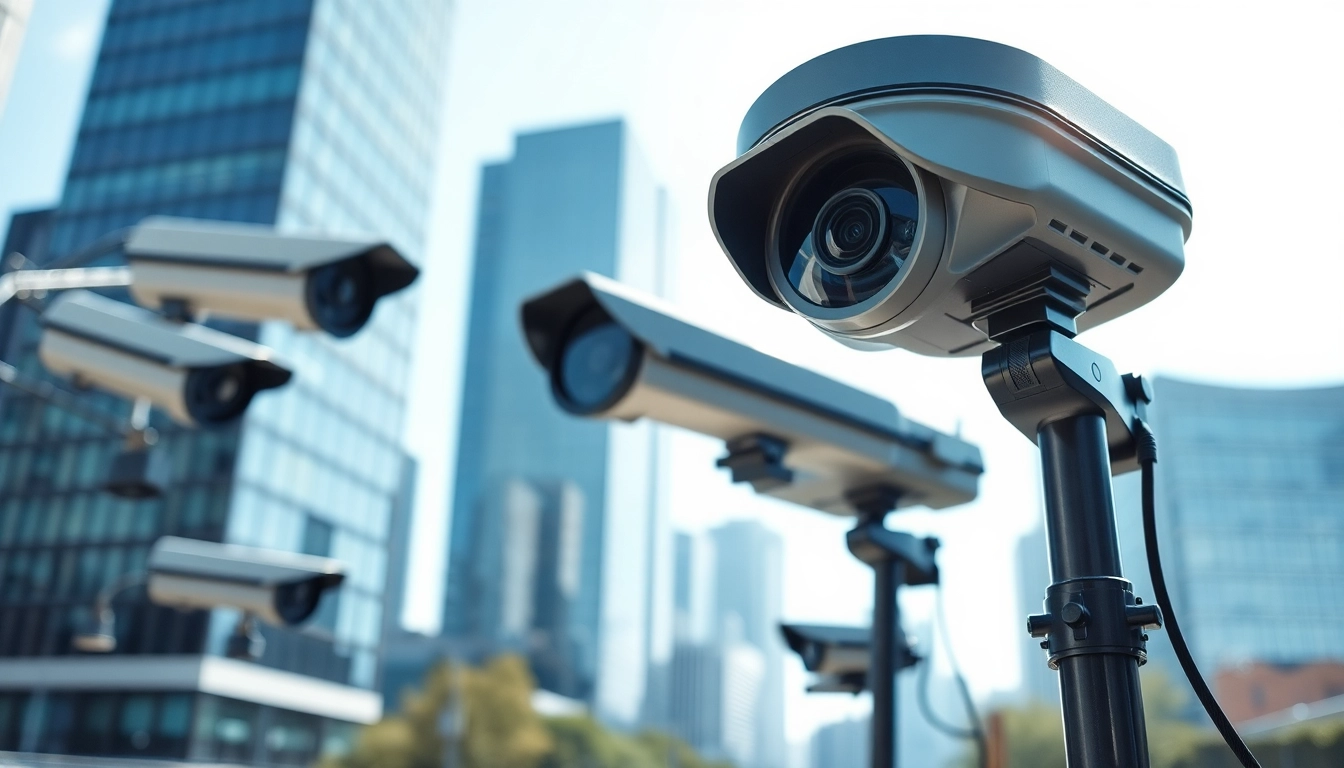
Understanding Surveillance Services
What Are Surveillance Services?
Surveillance services encompass a broad range of practices used to monitor behavior, activities, or information for the purpose of gathering evidence, ensuring safety, and enhancing security. Typically employed by businesses, government institutions, law enforcement, and individuals, these services leverage advanced technologies to keep a watchful eye on public and private spaces. With the growing need for security in various sectors, the significance of effective surveillance services cannot be overstated. Whether using video cameras, motion sensors, or remote monitoring services, they serve to protect property and the public.
Types of Surveillance Technologies
The landscape of surveillance technologies is diverse, reflecting evolving security needs. Common types include:
- Closed-Circuit Television (CCTV): The most traditional form, involving cameras transmitting video feeds to a limited set of monitors.
- IP Cameras: Networked cameras that allow for remote access and real-time monitoring over the internet.
- Motion Sensors: Devices that detect movement and can trigger alerts or activate recording.
- Thermal Imaging: Cameras that detect heat emissions, beneficial for security in low-light conditions.
- Drones: Increasingly utilized for aerial surveillance, providing a broader view of vast areas.
The integration of artificial intelligence (AI) and machine learning into these technologies enhances their capabilities, enabling more proactive security measures.
Importance of Surveillance Services in Today’s Environment
In an increasingly uncertain world, the relevance of surveillance services is paramount. Organizations face numerous threats, from theft and vandalism to acts of terrorism and workplace violence. Surveillance services are vital for:
- Preventing crimes by deterring potential offenders.
- Providing evidence in case of legal disputes.
- Enhancing employee safety and productivity.
- Ensuring compliance with regulations in specific sectors, such as retail and financial services.
As such, businesses and organizations must invest in reliable surveillance solutions not just for protection but also for peace of mind. The integration and maximization of surveillance services can significantly lower risk exposure and improve operational efficiency.
Choosing the Right Surveillance Services
Evaluating Your Security Needs
Before engaging in any surveillance services, it is critical to evaluate your specific security needs. Start by conducting a thorough risk assessment that considers potential vulnerabilities. Ask yourself:
- What areas require surveillance?
- What types of incidents are most likely to occur?
- What existing security measures are in place?
- How many individuals will access the video feed?
By answering these questions, you can establish a clear understanding of what you require, making it easier to select appropriate surveillance services and technologies.
Factors to Consider When Selecting
When choosing surveillance services, several key factors must be taken into account to ensure that you invest wisely:
- Quality of Equipment: Opt for high-resolution cameras and reliable technology that meets your requirements.
- Scalability: Choose systems that can grow with your needs, allowing for future expansions without significant overhauls.
- Integration: Ensure compatibility with existing security systems to streamline operations.
- Cost: Evaluate the total cost of ownership, including installation and maintenance, not just the initial purchase price.
- Support and Maintenance: Opt for providers that offer ongoing support and maintenance to keep systems upgraded and functional.
Common Mistakes to Avoid
Common pitfalls in selecting and implementing surveillance services can lead to wasted resources and inadequate security. Avoid these mistakes:
- Underestimating Needs: Failing to conduct a comprehensive risk assessment can lead to purchasing inappropriate systems.
- Ignoring Regulations: Noncompliance with local and federal laws regarding surveillance can result in legal trouble.
- Neglecting Employee Training: Staff should be trained in the use of surveillance systems to maximize their effectiveness.
- Choosing Cost over Quality: Opting for the cheapest option may lead to poor performance and higher long-term costs.
Implementing Surveillance Services
Step-by-Step Installation Guide
Successful installation of surveillance services requires careful planning and execution. Follow these steps:
- Conduct Site Survey: Analyze the premises to determine the best camera locations and systems.
- Select Appropriate Equipment: Choose cameras, recording systems, and accessories best suited to your needs.
- Install the Equipment: Mount cameras and set up recording devices, ensuring proper positioning and connectivity.
- Configure System: Set up recording schedules, alerts, and sharing permissions according to your organizational needs.
- Test the System: Conduct a full system check to ensure all components are operational and quality is optimal.
Integration with Existing Security Systems
For maximum effectiveness, new surveillance services should integrate smoothly with existing security systems. This may include alarms, access control systems, and monitoring centers. Ensure compatibility between systems, and consider using a unified platform that allows centralized control of all security devices. Integration can streamline operations and provide a comprehensive security overview.
Training Your Staff for Optimal Use
Proper training is essential for staff to utilize surveillance services effectively. Develop a training program that covers:
- How to operate and monitor the surveillance system.
- Identifying suspicious activity and responding appropriately.
- Legal and ethical considerations, including privacy issues.
Regular training updates will keep staff informed about new features or changes in protocols, ensuring they can make the most of the surveillance services.
Maintaining Your Surveillance Services
Regular Maintenance Practices
To maximize the longevity and efficiency of your surveillance services, regular maintenance is crucial. Include the following practices:
- Routine inspections of equipment to detect and fix emerging issues.
- Cleaning camera lenses and ensuring that all devices are free of obstructions.
- Updating software and firmware to ensure optimal performance.
- Testing backup systems and ensuring recording functions clearly and consistently.
Upgrading Technologies Over Time
Technological advancements occur quickly, making it vital to keep your surveillance services updated. Plan for upgrades by:
- Staying informed on emerging technologies that can enhance system performance.
- Setting aside budget for periodic upgrades according to the rapid pace of tech development.
- Regularly assessing current system effectiveness and identifying areas for improvement.
Ensuring Data Security and Privacy Compliance
With surveillance systems capturing sensitive data, ensuring data security and privacy compliance is essential. Adhere to regulations such as GDPR or HIPAA where applicable. Key strategies include:
- Implementing strong data protection measures to safeguard surveillance footage.
- Limiting access to authorized personnel only.
- Establishing retention policies that define how long footage will be stored and when it will be deleted.
Measuring the Effectiveness of Surveillance Services
Key Performance Indicators to Track
To gauge the effectiveness of your surveillance services, focus on key performance indicators (KPIs) such as:
- Incident Deterrence Rate: Measure the reduction in incidents after implementing surveillance.
- Response Times: Track the time taken to respond to incidents identified through surveillance.
- System Downtime: Monitor the percentage of time the surveillance systems are operational versus down.
- False Alarm Rate: Measure the occurrence of non-threatening incidents that trigger alerts.
Analyzing Incident Reports and Response Times
Regularly analyze incident reports generated from surveillance services. This includes reviewing response times to ensure they meet your desired benchmarks. Investigate patterns or recurring incidents to address weaknesses in security protocols. Continuous analysis enables proactive adjustments that can enhance overall safety.
Feedback Mechanisms for Continuous Improvement
Implement feedback mechanisms to collect insights from personnel regarding the effectiveness of surveillance services. Consider surveys or debriefing sessions to gather opinions on usability, response efficiency, and perceived security levels. Use this feedback to refine processes and enhance training programs, ensuring continuous improvement over time.
Frequently Asked Questions
1. What are the primary benefits of using surveillance services?
Surveillance services provide enhanced security by deterring criminal activity, offering protection for employees and property, and supplying evidence when incidents occur.
2. How do I know which surveillance system is right for my needs?
Assess your security risks, review the areas that need monitoring, and consider factors like scalability and integration with existing systems before choosing a surveillance system.
3. Is staff training necessary for effective surveillance operations?
Yes, proper training is crucial for staff to understand how to operate surveillance systems, recognize suspicious behavior, and comply with privacy laws.
4. How often should surveillance equipment be maintained?
Routine maintenance checks should be conducted at least once a quarter, though more frequent checks are advisable for busy or high-risk environments.
5. What privacy considerations should I keep in mind with surveillance services?
Ensure compliance with privacy laws, limit access to recorded footage, and establish clear policies for data retention and handling to protect personal privacy.