Master the Mount Everest Base Camp Trek in 2025: Your Complete Guide
Introduction to the Mount Everest Base Camp Trek
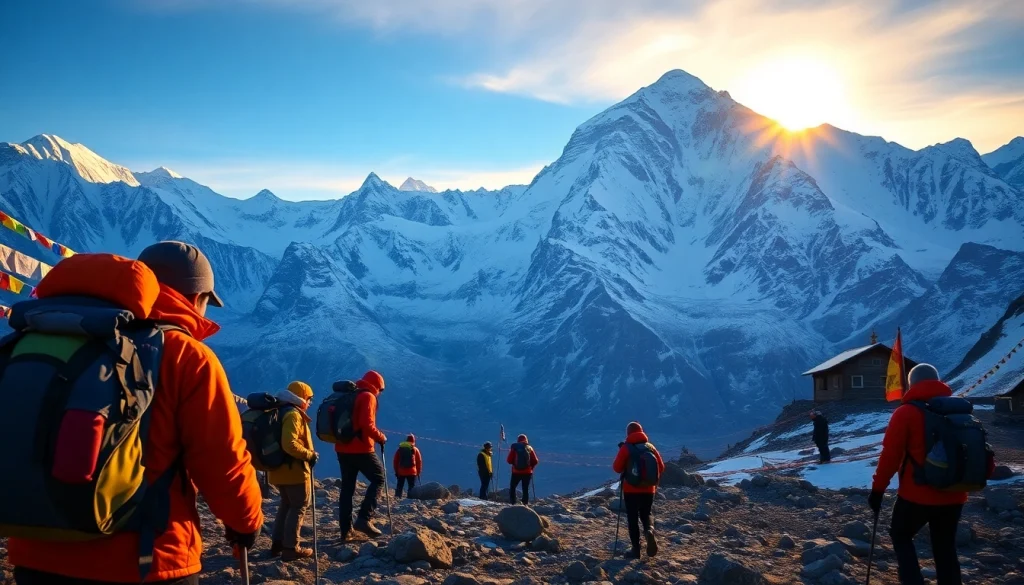
The mount Everest base camp trek is a dream adventure for many trekking enthusiasts around the globe. Renowned for its breathtaking vistas, rich cultural experiences, and exhilarating challenges, this trek leads adventurers through the heart of the Khumbu region, culminating at the base camp of the world’s highest peak, Mount Everest. Over a span of 14 days, trekkers navigate through lush valleys, quaint villages, and stunning mountain terrains, all while immersing themselves in the unique Sherpa culture. Whether you are a seasoned hiker or a novice eager to embark on your first trek, the allure of this iconic journey is undeniable.
What to Expect on Your EBC Trek
Preparing for the Everest Base Camp trek involves more than just physical training. Expect to encounter high altitudes, changing weather conditions, and the need for acclimatization. Each day of the trek, you’ll engage with not only the stunning landscapes but also with the local Sherpa communities, experiencing their hospitable culture and age-old traditions. The trek includes a mix of both challenging and moderate trails, which means you will need to be mentally and physically prepared. Along the route, you’ll also have the chance to witness the majestic Himalayan range, including peaks like Lhotse and Nuptse, as you make your way towards your final destination.
A Brief History of the EBC Trek
The history of the Everest Base Camp trek is as captivating as the trek itself. Originally used by explorers and climbers, the trail gained popularity in the mid-20th century as more adventurers sought the thrill of reaching Everest Base Camp. The first successful ascent of Everest in 1953 by Sir Edmund Hillary and Tenzing Norgay sparked widespread interest in the region, leading to a steady influx of trekkers. Since then, the route has become one of the most famous treks in the world, offering an unforgettable journey through breathtaking landscapes and rich cultural heritage.
Overview of the Trekking Route
The standard route for the Everest Base Camp trek typically begins in Lukla, where trekkers arrive via a thrilling flight from Kathmandu. From Lukla, the trek follows the Dudh Koshi River, passing through picturesque villages such as Phakding and Namche Bazaar—an essential acclimatization stop. The journey includes a series of breathtaking landscapes, with each day offering unique views of iconic peaks and lush forests. Key highlights include the Tengboche Monastery, known for its stunning backdrop and cultural significance, and the serene village of Dingboche, which serves as another acclimatization point. The culmination of the trek occurs at Everest Base Camp, located at 5,364 meters, followed by a hike to the summit of Kala Patthar for a panoramic view of Everest.
Preparing for Your Mount Everest Base Camp Trek
Essential Gear and Packing List
For a successful trek to Everest Base Camp, having the right gear is crucial. A well-planned packing list should include a durable backpack, insulated clothing layers, and proper trekking shoes. The temperature can vary drastically, so it’s essential to pack both lightweight and warmer clothing. Essential items include:
- Trekking boots with good ankle support
- Warm down jacket
- Thermal base layers
- Sun protection gear (sunscreen, sunglasses, hats)
- Reusable water bottle and purification system
- Medical kit and personal medications
- Sleeping bag rated for sub-zero temperatures
- Headlamp and extra batteries
- Camera or smartphone for capturing memories
- Power banks for charging devices
It is advisable to make a checklist of the items you’ll need to avoid overlooking anything vital. Additionally, trekkers can also rent or purchase gear upon arrival in Kathmandu, where a plethora of trekking shops are available.
Physical Fitness and Training Recommendations
Physical preparation is essential for tackling the Everest Base Camp trek. While no technical climbing skills are required, trekkers should be in good physical shape. A structured training program should ideally begin 2-3 months before the trek. Training activities should include:
- Regular cardiovascular exercises such as running, cycling, or swimming
- Hiking with a loaded backpack to simulate trekking conditions
- Strength training, focusing on core, legs, and upper body
- Flexibility exercises, including yoga or stretching routines
Gradually increasing the intensity and duration of training activities is crucial for building endurance and reducing the risk of injury. Aim to acclimatize your body to both endurance training and altitude by hiking at elevations similar to those on the trek.
Understanding Altitude Acclimatization
Acclimatization is a central component of the Everest Base Camp trek due to the drastic changes in altitude. The trek ascends to heights of over 5,000 meters, which can lead to altitude sickness if proper acclimatization techniques are not followed. Key recommendations for effective acclimatization include:
- Ascending slowly to allow your body to adjust
- Staying hydrated by drinking plenty of fluids
- Incorporating rest days into your itinerary for recovery
- Listening to your body’s signals and descending if experiencing symptoms of altitude sickness, such as headaches or nausea
Understanding these principles will enhance your trekking experience and ensure a safer ascent to Everest Base Camp.
The Itinerary: Day-by-Day Breakdown
Detailed Daily Trek Highlights
The standard itinerary for the Mount Everest Base Camp trek spans 14 days, and each day is filled with unforgettable experiences. Below is an outline of the daily activities:
- Day 1: Arrival in Kathmandu (1,400 m), preparation for the trek.
- Day 2: Fly to Lukla (2,840 m) and trek to Phakding (2,610 m).
- Day 3: Trek from Phakding to Namche Bazaar (3,440 m).
- Day 4: Acclimatization day in Namche; hike to Hotel Everest View (3,880 m).
- Day 5: Trek to Tengboche (3,860 m).
- Day 6: Trek to Dingboche (4,410 m).
- Day 7: Acclimatization day; hike to Nangkartsang Peak (5,083 m).
- Day 8: Trek to Lobuche (4,910 m).
- Day 9: Trek to Everest Base Camp (5,364 m) and return to Gorak Shep (5,190 m).
- Day 10: Hike to Kala Patthar (5,555 m) for sunrise, then descend to Pheriche (4,240 m).
- Day 11: Trek back to Namche Bazaar (3,440 m).
- Day 12: Trek to Lukla (2,840 m).
- Day 13: Fly back to Kathmandu from Lukla.
- Day 14: Departure from Kathmandu.
Acclimatization Days Explained
Acclimatization days are strategically placed in the itinerary to help trekkers adjust to the altitude before continuing the ascent. During these days, trekkers are encouraged to climb to higher altitudes and then return to their accommodation. This practice allows the body to adapt to the lower oxygen levels found at high elevations, significantly reducing the risk of altitude sickness.
Optional Side Trips and Day Hikes
While the main trail offers plenty of adventure, there are numerous optional side trips and day hikes that can enhance your experience. Notable excursions include:
- Hiking to Gokyo Lakes for stunning views of the surrounding peaks and lakes.
- Exploring the medieval town of Khumjung and the Hillary School.
- Trekking to the Renjo La Pass for breathtaking vistas.
These add-ons not only provide additional physical challenges but also opportunities to engage with local cultures and landscapes.
Costs and Logistics for the Mount Everest Base Camp Trek
Budgeting for the EBC Trek in 2025
When planning your budget for the Everest Base Camp trek in 2025, several factors will influence the overall cost including accommodation, guides, permits, and meals. Here’s a breakdown of the approximate costs:
- Everest Base Camp trek package: Starting at USD 1,650
- Accommodation in Kathmandu: USD 50-100 per night
- Meals during the trek: Approximately USD 30-50 per day
- Travel insurance: USD 100-200 depending on coverage
- Additional expenses (snacks, drinks, souvenirs): USD 100-150
It’s essential to note that prices may vary depending on the trekking season and the level of service opted for, so it’s advisable to consult with your trekking agency for a detailed quote.
Travel Insurance and Safety Considerations
Travel insurance is a non-negotiable part of your trekking preparations. Ensure that your policy covers high-altitude trekking activities and emergency evacuations. Medical emergencies can be costly, and having a comprehensive policy can provide peace of mind, allowing you to focus on enjoying the adventure rather than worrying about potential risks.
Flight Arrangements and Transportation
Flights into the Everest region typically land at Lukla, known for its short and thrilling runway. Depending on the season, your flight may depart from either Kathmandu or the alternative airport at Manthali during peak trekking months. Plan your travel logistics well in advance, and be prepared for possible delays or cancellations due to weather conditions. Always allow for extra buffer days in your itinerary to accommodate unexpected changes.
Experiencing Local Culture and Environment
Engaging with Sherpa Culture
The Sherpa culture is rich and vibrant, offering trekkers a unique glimpse into the traditions and customs of the region. Interactions with local communities during the trek can enhance your experience immensely. Consider visiting local monasteries, participating in traditional ceremonies, or simply sharing meals with Sherpa families. Engaging respectfully with the community not only enriches your journey but also supports local livelihoods.
Environmental Awareness and Responsible Trekking
As the popularity of the Everest Base Camp trek continues to rise, so does the need for responsible trekking practices. It’s crucial to minimize environmental impact by following the Leave No Trace principles. This includes properly disposing of waste, avoiding single-use plastics, and respecting wildlife. By trekking responsibly, you contribute to the preservation of the natural beauty that attracts adventurers from around the world.
What Makes the EBC Trek Unique
The combination of stunning landscapes, cultural immersion, and the thrill of reaching Everest Base Camp create a once-in-a-lifetime experience. Unlike any other trek, the journey to EBC offers panoramic views of the world’s highest peaks, opportunities to connect with the local Sherpa culture, and the exhilarating challenge of high-altitude trekking. It’s not just a trek; it’s a journey into the heart of the Himalayas, a personal challenge, and an adventure that many dream of accomplishing.