The Future of Sports Broadcasting: Trends, Challenges, and Innovations
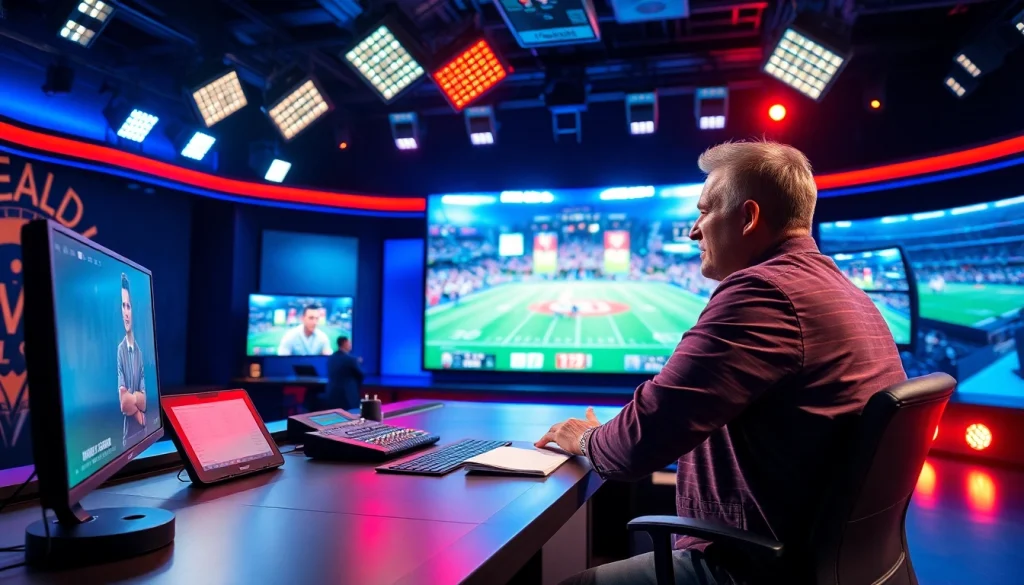
Understanding Sports Broadcasting
Definition and Importance
Sports broadcasting refers to the distribution of sports content, including live game coverage, sports analyses, and commentary, through various media channels such as television, radio, and online platforms. Its significance cannot be understated; it plays a crucial role in connecting fans with their favorite sports, athletes, and teams, often shaping the sports culture of regions and nations. The Sports Broadcasting industry influences viewership trends and drives revenue through advertising, sponsorship, and subscription services.
Evolution of Broadcasting Technology
Over the decades, sports broadcasting has undergone significant transformations. Initially limited to radio broadcasts, the introduction of television revolutionized how fans consumed sports. The late 20th century saw the advent of cable channels dedicated to sports, followed by the emergence of satellite TV. Today, with rapid advancements in technology, digital platforms and streaming services have further shifted the paradigm, allowing viewers to access content on-demand and from various devices.
Key Players in the Industry
The sports broadcasting sector is populated by various key players. Traditional broadcasters like national TV networks dominate in terms of live coverage, while newer players include streaming platforms that focus on niche sports and content. Sports leagues and teams are becoming increasingly involved, often signing direct distribution agreements with digital services. Additionally, advertisers and sponsors are crucial in driving revenues and shaping the content offered to audiences.
Current Trends in Sports Broadcasting
Rise of Streaming Platforms
The sports broadcasting landscape is witnessing an unprecedented rise in streaming platforms. Companies like Netflix have influenced consumer habits, compelling traditional broadcasters to develop their streaming services. This shift provides flexibility for viewers to watch at their own convenience, fostering a trend towards personalized viewing experiences. Live sports streaming continues to gain traction, with various models including subscription-based and ad-supported offerings enticing audiences.
Integration of Virtual Reality
Virtual reality (VR) is transforming the way fans experience sports. By immersing viewers into a game setting, VR offers a unique perspective that traditional broadcasting cannot match. This interactive engagement promotes a more profound emotional connection with the sport. Innovations in VR technology enable live coverage, allowing fans to feel as if they are in the stadium. As technology advances, facilities and broadcasters are increasingly integrating VR experiences to enhance viewer satisfaction.
Audience Engagement Strategies
Engagement strategies are vital for sustaining viewership in a fragmented market. Successful sports broadcasters utilize social media platforms for real-time interaction during events, engaging fans with live polls, commentary, and behind-the-scenes content. Gamification elements, such as fantasy leagues and predictive games, also encourage viewer interaction, keeping audiences invested in the experience. As viewers curate their content consumption, personalized marketing strategies become essential for retaining viewers.
Challenges Facing Sports Broadcasting
Regulatory and Licensing Issues
One of the significant challenges in sports broadcasting is navigating the complex landscape of regulatory and licensing issues. Various jurisdictions have different regulations regarding content distribution, which can complicate operations for broadcasters aiming for global reach. Additionally, the licensing of content rights can be a financial burden, requiring broadcasters to ensure compliance with legal frameworks and negotiate rights fairly across all media platforms.
Competition from Non-Traditional Media
As digital media continues to expand, competition from non-traditional outlets poses a threat to conventional sports broadcasting. Social media platforms, podcasting, and user-generated content allow fans to access sports stories and analyses outside the traditional framework. This democratization of content means broadcasters must adapt by integrating new storytelling methods and engaging with fans on platforms where they consume content actively.
Viewer Retention and Audience Fragmentation
Maintaining viewer retention amid increasing audience fragmentation is an ongoing challenge. With a multitude of options available, viewers can easily shift their attention to other channels or media. Broadcasters need to create compelling content that resonates deeply and fosters a sense of community within the sports fan base. Enhancing user experiences through analytics and personalization is vital for keeping audiences engaged long-term.
Best Practices for Successful Sports Broadcasting
Content Creation and Storytelling
Effective content creation is at the heart of successful sports broadcasting. Storytelling should be engaging and relatable, tapping into the emotions and loyalty of fans. Highlighting player journeys, team histories, and dramatic moments can forge deeper connections between fans and the sport. Combining high production values with authentic narratives can significantly enhance viewer interest and commitment.
Utilizing Social Media Effectively
Social media serves as a powerful tool for sports broadcasters to engage directly with audiences. Utilizing platforms like Twitter, Instagram, and TikTok allows broadcasters to disseminate content quickly while maintaining a dialogue with fans. Engaging users through live tweets and social media challenges encourages interaction, making fans feel a part of the sports community. Consistent, authentic engagement is paramount for building loyalty.
Analyzing Viewer Data for Better Strategy
Leveraging viewer data is critical for optimizing broadcasting strategies. Analyzing viewer metrics, trends, and feedback helps broadcasters tailor content to meet audience preferences. Understanding viewer demographics enables targeted advertising and content distribution, enhancing revenue potential. Regular assessments of this data is essential for evolving strategies that keep audiences interested and engaged over time.
Future Innovations in Sports Broadcasting
AI and Machine Learning Applications
The future of sports broadcasting will heavily revolve around artificial intelligence (AI) and machine learning applications. These technologies can analyze vast amounts of data to provide insights into viewer behavior and preferences, predicting trends and optimizing content delivery schedules. AI can also be utilized in enhancing match commentary with real-time statistics, ensuring the broadcast is as informative as possible.
Enhanced Viewing Experiences with Technology
As technology evolves, viewer experiences will continue to enhance in-depth and immersive ways. Innovations like 4K HDR broadcasts and 360-degree streaming will give fans the ability to enjoy live sports as if they are present at the event. Additionally, augmented reality (AR) can overlay statistics and player information onto the viewing experience, providing a richer context and deeper analysis of live events.
Predictions for the Next Decade
Looking ahead, the next decade is likely to see major advancements impacting sports broadcasting. We can expect a surge in interactive content, where fans can personalize their viewing experiences even further. Additionally, as e-sports and traditional sports continue to converge, the broadcasting industry will face new challenges and opportunities in engaging younger audiences. Increasingly, the use of innovative technology, data, and personalization will dominate broadcasting strategies.
FAQs About Sports Broadcasting
What is sports broadcasting?
Sports broadcasting involves the transmission of live sports events, highlights, and analysis through various media channels, including TV, radio, and online streaming.
How has technology evolved sports broadcasting?
Technology has transformed sports broadcasting from radio to television and now to digital platforms, enabling on-demand viewing and interactive content.
What trends are currently shaping sports broadcasting?
Current trends include the rise of streaming platforms, the integration of virtual reality, and innovative audience engagement strategies through social media.
What challenges does the sports broadcasting industry face?
The industry faces challenges like regulatory issues, intense competition from non-traditional media, and the need to retain fragmented audiences.
What are best practices for successful sports broadcasting?
Best practices include compelling storytelling, effective social media utilization, and thorough analysis of viewer data to inform strategy and content delivery.