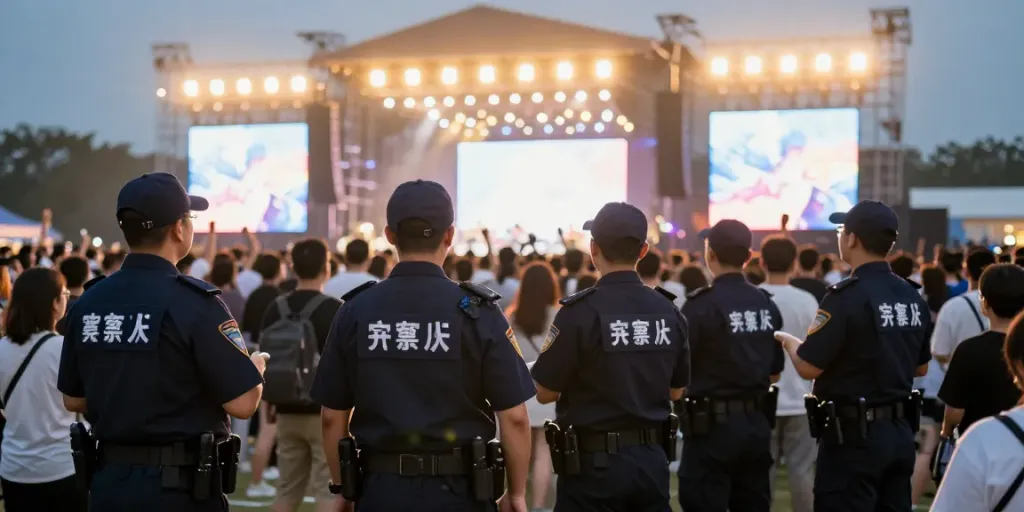
Understanding Event Security: What It Entails
Event security plays a pivotal role in ensuring the safety and successful execution of various gatherings, from music festivals and sporting events to corporate meetings and private parties. With a growing emphasis on safety and well-being in today's event planning landscape, the need for highly trained security professionals has never been more critical. Implementing efficient security measures not only protects attendees but also enhances the overall experience. For those seeking professional insights into Event Security, understanding the various dimensions of these services is essential.
A Comprehensive Overview of Event Security Services
Event security services encompass a wide array of functions aimed at safeguarding personnel, guests, and property at various venues. Typically, these services include crowd management, access control, emergency response, and surveillance. Security personnel are integral to ensuring compliance with safety regulations, managing potential hazards, and addressing any incidents that may arise during an event. Moreover, tailored security plans are developed in collaboration with event organizers to address specific risks and enhance the event’s overall security posture.
Types of Events Needing Security: From Concerts to Corporate Gatherings
Various events require security measures, each with unique challenges and priorities. Some notable examples include:
- Concerts and Festivals: Large crowds present risks such as overcrowding, potential violence, and medical emergencies. Effective crowd control and swift emergency response plans are crucial.
- Corporate Events: Security is necessary to protect sensitive information, maintain order, and ensure a professional atmosphere.
- Weddings and Private Parties: Personal events often require discreet yet effective security solutions to manage guest flow and address any disturbances without disrupting the celebration.
- Sporting Events: From crowd surveillance to conflict resolution, security personnel play a vital role in maintaining a safe environment for fans, players, and staff.
Importance of Trained Personnel in Event Security
Having well-trained security personnel is critical for the success of any event. Security staff should not only be licensed but also possess skills in first aid, conflict resolution, and situational awareness. They must be capable of responding calmly and efficiently to emergencies and maintaining order under pressure. Additionally, ongoing training ensures that security personnel stay updated on the latest safety protocols and best practices, thus enhancing the overall security strategy of the event.
Choosing the Right Local Event Security Provider
Selecting the appropriate event security provider can significantly influence the safety and success of your event. It is essential to consider various factors before making a decision.
Key Criteria to Look for in a Professional Security Company
When evaluating potential security providers, ensure they meet specific criteria:
- Licensing and Accreditation: Verify that the security company holds appropriate licenses and certifications, signaling compliance with industry regulations.
- Experience: Look for providers with a strong track record in event security, particularly within your event's specific type.
- Service Options: Ensure they offer a range of security services tailored to various event scales and types.
- Client Communication: A responsive and communicative security team is essential for creating effective security plans.
Client Testimonials: What Past Customers Say
Listening to previous clients' experiences can provide valuable insights into a security company’s reliability and performance. Testimonials and case studies can shed light on how well the provider handled specific situations, dealt with customer concerns, and contributed positively to the overall event experience. Look for reviews on reputable platforms and social media to gauge satisfaction levels among past clients.
Accreditations and Qualifications: Ensuring Reliability
Accreditations such as those from the Security Industry Authority (SIA) and industry certifications can bolster a security provider’s credibility. These qualifications demonstrate a commitment to industry standards, ongoing training, and adherence to best practices in delivering secure services. Always check a provider’s credentials and ensure they are current and valid.
Cost Breakdown: What to Expect in Event Security Pricing
The cost of hiring an event security company can vary significantly based on several factors. Understanding these aspects will help you budget adequately for your event.
Factors Influencing Event Security Costs
Several elements influence the pricing of event security services:
- Scale of the Event: Larger events generally require more personnel, increasing costs.
- Type of Security Services: Specialized services, such as armed security or VIP protection, will typically carry higher prices.
- Duration of Service: Longer events or those requiring 24/7 security will be more expensive.
- Location: Events in high-risk areas or venues requiring extensive security measures may result in higher overall costs.
Is Premium Pricing Justified? Understanding the Value of Quality Security
While it may be tempting to select a lower-cost security option, remember that the value of quality security is significant. Experienced personnel can efficiently manage crises, minimize risks, and maintain a positive atmosphere, all of which can lead to a more successful event. Investing in reputable security services mitigates potential liabilities and enhances attendee peace of mind.
Affordable Event Security Options for All Budgets
For those operating within strict budgets, various strategies can help reduce costs without compromising security quality. Consider engaging security companies that offer flexible packages tailored to fit your individual needs. Moreover, hosting events during off-peak times may also result in lower service charges.
Compliance and Licensing Requirements for Security Companies
To ensure the highest level of security at your event, it is vital to understand the compliance and legal requirements surrounding security companies.
What Certifications Should Your Security Team Hold?
Your chosen security provider should maintain valid certifications, including SIA licensing for personnel involved in security-related duties. These qualifications are critical to ensure that the staff has received the necessary training and is equipped to manage potential incidents effectively.
The Role of the Security Industry Authority (SIA)
The Security Industry Authority (SIA) plays a key role in regulating the security industry in the UK. They ensure that security professionals are properly vetted and trained and they enforce compliance with industry standards. Continuous assessments help maintain a high level of professionalism within the security sector.
Local Regulations and Compliance: What You Need to Know
Understanding local regulations related to event security is crucial for compliance and successful event execution. Be aware of specific requirements such as crowd capacity limits, health and safety obligations, and any local laws governing the licensing of security personnel. Engaging with a knowledgeable provider can help navigate these regulations effectively.
Maximizing Safety: Seasonal Security Tips for Events
Effective event security requires planning and adaptability, especially during peak seasons when attendance rates and risks may increase.
Planning for Busy Seasons: Halloween, New Year, and Summer Festivals
Throughout busy seasons, event organizers must anticipate higher crowds and potential challenges. Ensuring adequate staffing during these times is critical, and developing tailored security plans to address these needs will help enhance safety without compromising the intended guest experience.
Emergency Preparedness: Basic Protocols to Implement
Establishing clear emergency protocols is foundational for effective event security. All personnel should be well trained in these procedures, knowing how to respond to potential threats or incidents swiftly. Regular drills, clear communication, and established protocols will help safeguard guests and staff alike.
Customizing Security Plans Based on Event Size and Location
The security plan for your event should be adaptable based on varying factors, including the size of the gathering and specific local risks. For more information, Event Security offers valuable insights. Customizing access control procedures, communication channels for staff, and visitor screening processes will help effectively manage each event’s unique requirements.