
 admin
admin 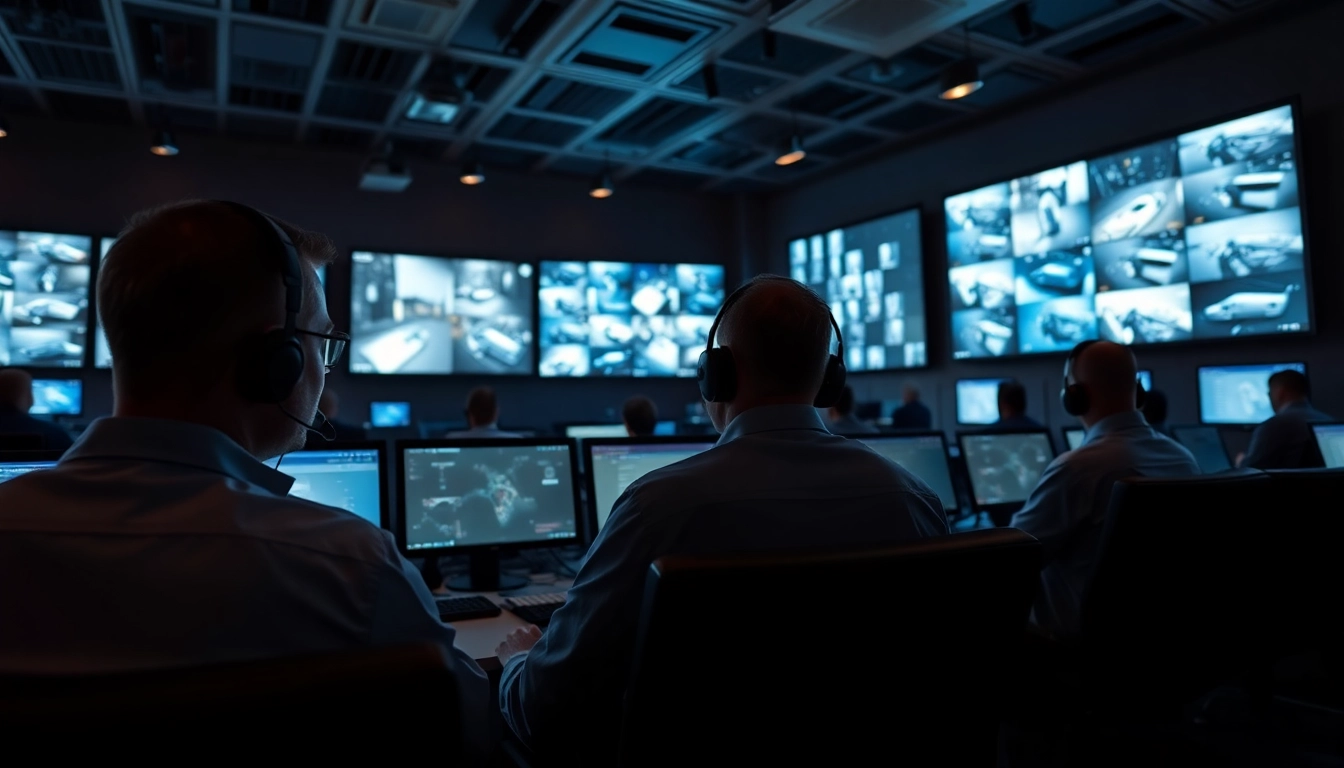
Understanding Surveillance Services
What Are Surveillance Services?
Surveillance services refer to the systematic observation of people, places, or activities to collect information. These services can range from video monitoring and audio surveillance to motion detection systems and security personnel. Surveillance services operate in various sectors, including corporate environments, public places, residential properties, and even personal safety scenarios.
In essence, they serve as a protective measure designed to deter crime, monitor behavior, and ensure safety in both personal and professional realms. The technology behind them has evolved remarkably, with digital systems now frequently employing sophisticated software that integrates with hardware tools to provide real-time data and insights. For those looking to enhance their safety measures, surveillance services can play a pivotal role in securing premises and assets.
Importance of Surveillance Services in Today’s World
The demand for surveillance services has surged in recent years due to growing concerns about security and safety. In today’s world, where incidents of theft, vandalism, and other criminal activities are on the rise, having robust surveillance measures in place is crucial.
Organizations and individuals alike recognize that prevention is better than cure. By implementing effective surveillance systems, businesses can protect their assets, prevent losses, and ensure a safe working environment for their employees. Similarly, individuals can safeguard their homes and personal belongings from illegal activities. Additionally, surveillance can play a significant role in criminal investigations, offering vital evidence that can lead to arrests and prosecutions.
Common Types of Surveillance Services
Surveillance services encompass a variety of technologies and approaches. Here are some of the most common types:
- Video Surveillance: Often referred to as CCTV, this type includes cameras that can record and transmit video footage for real-time monitoring or later review.
- Access Control Systems: These regulate who can enter a given area, often utilizing keycards, biometrics, or pin codes for secure entry.
- Intrusion Detection Systems: Designed to detect unauthorized entry, these systems include sensors that trigger alarms when breaches occur.
- Remote Monitoring: Using the internet, property owners can monitor their locations from anywhere in the world, thanks to mobile apps and cloud storage services.
- Audio Surveillance: This includes the capture of conversations and sounds within a certain area, often subject to legal restrictions regarding consent.
Benefits of Surveillance Services
Enhanced Security Measures Through Surveillance Services
One of the most significant benefits of implementing surveillance services is enhanced security. Whether it’s a corporate office or a residential property, continuous monitoring can quickly identify threats and respond to incidents in real time. The presence of surveillance cameras alone can deter potential criminals, as they are less likely to target an area under constant observation.
Deterrence Against Criminal Activities
Statistics show that areas equipped with visible surveillance measures tend to experience lower crime rates. When criminals perceive a high likelihood of being caught, they often opt to avoid the risk altogether. Surveillance services act as a powerful deterrent, playing a critical role in minimizing crime and enhancing overall community safety.
Peace of Mind for Individuals and Businesses
For many, the psychological benefits of surveillance services are just as important as their functional advantages. Knowing that continuous monitoring is in place allows business owners and homeowners to feel secure. This peace of mind can increase productivity, allowing employees to focus on their work without worry. Similarly, families can live comfortably, knowing their homes are secured and monitored.
Implementing Surveillance Services
Steps for Choosing the Right Surveillance Services
Choosing the right surveillance services requires careful consideration of several factors:
- Assess Your Needs: Evaluate the specific security concerns you face, determining what areas require the most attention.
- Research Available Technologies: Stay informed about the latest innovations in surveillance technology, including cameras, monitoring systems, and detection devices.
- Consider the Scale: Decide whether you need a small setup for home security or a more extensive system for a large commercial property.
- Evaluate Costs: While budget is crucial, consider the long-term value of the surveillance services you choose, including maintenance and upgrades.
- Consult Professionals: Seek advice from security experts or firms specializing in surveillance to find customized solutions tailored to your needs.
Integrating Technology in Surveillance Services
The integration of advanced technology significantly enhances the effectiveness of surveillance services. Smart surveillance uses AI (Artificial Intelligence) to analyze live footage and detect abnormal behaviors, sending alerts to users automatically. Furthermore, digital systems can incorporate cloud storage solutions, providing easy access to recorded materials and facilitating remote monitoring from any location.
Additionally, IoT (Internet of Things) devices can sync with surveillance systems, enabling a comprehensive security setup that includes everything from door sensors to motion detectors. This cohesive integration of technology ensures that surveillance services are more effective and adaptable to changing security needs.
Best Practices for Effective Surveillance
Implementing surveillance services is not just about installing cameras; it involves strategic planning and ongoing management. Here are some best practices:
- Regular Maintenance: Ensure that all equipment is in good working order with routine checks and servicing of hardware.
- Proper Signage: Indicate that surveillance is present in the area. This acts as a further deterrent against potential crime.
- Review Policies: Frequently review and update your surveillance policies to comply with legal requirements and ethical standards.
- Analyze Footage: Conduct regular reviews of recorded footage for any patterns or issues that may require addressing.
- Engage Employees: Involve staff in the awareness and understanding of how surveillance services work, fostering a culture of security.
Challenges in Surveillance Services
Legal and Ethical Considerations
The implementation of surveillance services raises several legal and ethical concerns. It is essential to understand local laws regarding surveillance in public and private spaces to ensure compliance. Furthermore, informing individuals about the presence of surveillance can avoid potential legal repercussions. Best practices dictate that consent should be obtained wherever appropriate.
Technical Limitations of Surveillance Services
While surveillance technology has advanced significantly, it still faces limitations. Factors such as poor lighting, inclement weather, and physical obstructions can hinder the performance of surveillance systems. Additionally, data storage capacities and video resolution can impact the usability of recorded footage. Regular upgrades and maintenance can help mitigate some of these technical challenges.
Keeping Up with Technological Advancements
The rapid pace of technological advancements in surveillance services means that individuals and organizations must stay informed about new innovations. Understanding how to utilize the latest tools and techniques is essential for maximizing the effectiveness of your surveillance setup. Continuous education and training for security personnel, as well as regular assessments of existing systems, will ensure optimal performance.
Future Trends in Surveillance Services
The Impact of AI on Surveillance Services
Artificial intelligence is transforming surveillance services by enabling systems to automatically recognize and analyze patterns within data. AI-driven technologies can enhance face recognition systems, movement tracking, and anomaly detection. As AI integration becomes more prevalent, we can expect significant improvements in preventative capabilities and incident response times in surveillance environments.
Smart Surveillance Solutions in the Market
The market for smart surveillance solutions is rapidly expanding, with many companies developing products that combine various security features. Cloud-based storage, mobile monitoring apps, and comprehensive integration with smart home devices are just a few examples of innovations that enhance surveillance capabilities. These smart solutions offer users enhanced flexibility and usability, making it easier to monitor and manage their security from anywhere.
Sustainability in Surveillance Services
As the emphasis on sustainability continues to grow, surveillance services are adapting to deploy more eco-friendly technologies. Solar-powered cameras and energy-efficient systems are becoming more common. Additionally, companies are focusing on minimizing their carbon footprint through sustainable sourcing and production methods. Investing in these sustainable practices not only helps the environment but can also appeal to consumers who prioritize eco-conscious services.
FAQs about Surveillance Services
1. What types of surveillance cameras are available?
Surveillance systems come in various types, including dome, bullet, PTZ (pan-tilt-zoom), and IP cameras. The best type will depend on your specific surveillance needs.
2. Are surveillance services legal?
Yes, but they must comply with local laws and regulations. Consent may be needed in certain situations, especially for audio recording.
3. How much does a surveillance system cost?
The cost varies widely based on the type of system, the number of cameras, and the features included. Budget planning is essential to get a suitable setup.
4. Can I monitor my surveillance system remotely?
Yes, many modern surveillance systems allow remote access through mobile apps or web interfaces, enabling monitoring from anywhere.
5. Do surveillance services offer data privacy?
Ensuring data privacy depends on the policies implemented alongside the surveillance system. Best practices mandate strict data handling and storage policies.