
 admin
admin 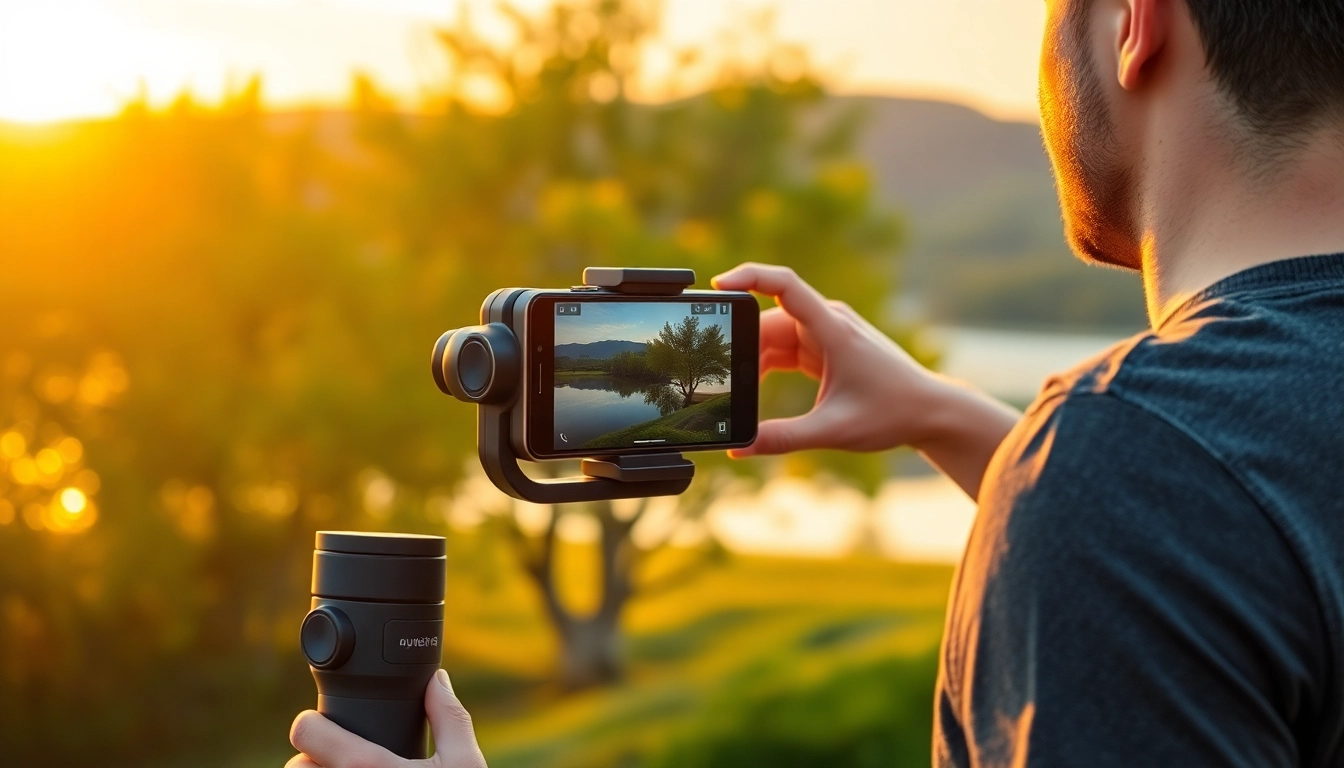
Understanding Phone Gimbals: Key Features and Benefits
As mobile filmmaking continues to expand, the phone gimbal has emerged as a vital tool for content creators looking to elevate their video quality. Gimbals provide essential stabilization through advanced motorized technology, allowing users to capture smooth, professional-looking footage without the shakiness that often plagues handheld shooting. This article delves into the fundamental aspects of phone gimbals—what they are, their essential features, and the benefits they offer over traditional stabilization methods.
What is a Phone Gimbal?
A phone gimbal is a electronically controlled device designed to stabilize your smartphone while filming. Utilizing motors and sensors, it counteracts unwanted movements such as tilting and swaying, ensuring that your footage remains steady and smooth. Gimbals can be essential for a range of activities, from vlogging and live streaming to professional videography, making them versatile tools for anyone engaged in video content creation.
Essential Features of Modern Gimbals
- 3-Axis Stabilization: Most modern gimbals offer three-axis stabilization, which protects against pitch, yaw, and roll movements, ensuring ultra-smooth footage.
- Smartphone Compatibility: Gimbals are typically compatible with a variety of phone brands, including iPhones and Android devices, enhancing their accessibility.
- Lightweight and Portable: Many gimbals are designed to be compact and lightweight, making them easy to transport and set up for any shoot.
- Advanced Features: Newer models include features such as tracking modes, pan and tilt controls, and mobile apps that enhance usability and expand creative options.
Benefits of Using a Phone Gimbal Over Traditional Stabilization
Using a gimbal instead of traditional stabilization methods offers several distinct advantages. For instance, gimbals allow for greater freedom of movement, facilitating dynamic shots such as tracking an athlete during a game or capturing fast-paced action. Additionally, they often come equipped with features like automatic object tracking, enabling hands-free recording that can enhance storytelling. Overall, gimbals provide a level of control and professionalism that is difficult to achieve without them.
Choosing the Right Phone Gimbal for Your Needs
Choosing the right phone gimbal involves understanding your specific filming style and requirements. With numerous products on the market, it’s essential to identify which features will best suit your needs—whether you are a casual user or a professional videographer.
Identifying Your Filming Style and Requirements
Before purchasing a gimbal, take time to assess your filming habits. Are you primarily shooting vlogs, travel videos, or perhaps cinematic short films? Each style may favor different gimbal features. For example, if you often film in dynamic environments, consider a gimbal with excellent tracking capabilities. Conversely, if your work centers around static shots, you may prioritize a strong battery life and ease of setup.
Comparing Popular Phone Gimbals (2025 Models)
When evaluating phone gimbals, it’s essential to explore current models that stand out in the market. Here are a few notable options for 2025:
- DJI Osmo Mobile 7: A popular choice known for its intuitive app and robust build quality, ideal for iPhone users.
- Insta360 Flow 2 Pro: This gimbal features AI-powered tracking and 360-degree panorama capabilities, making it suitable for more creative filming approaches.
- Hohem iSteady M7: Celebrated for its budget-friendly price point while still delivering professional-grade stabilization.
- Zhiyun Smooth 5S: Offers an excellent balance between affordability and advanced features, making it a versatile option for budding filmmakers.
Budgeting for a Quality Phone Gimbal
Investing in a quality phone gimbal can vary widely in cost. While entry-level models start at around $40, professional-grade gimbals can reach prices exceeding $300. It’s crucial to assess your budget against your intended usage; if you plan to shoot frequently or require specific features, it may be worth investing in a higher-quality device.
Tips for Maximizing Your Phone Gimbal Usage
Once you’ve chosen a gimbal, it’s time to optimize your usage for the best results. Here are essential tips to follow for capturing outstanding video footage.
Setting Up Your Gimbal for Optimal Performance
Setting up your gimbal correctly is crucial for maximizing its effectiveness. Begin by balancing your phone on the gimbal according to the manufacturer’s instructions. Proper balance reduces strain on the gimbal motors, ensuring smoother performance and longer battery life. Additionally, familiarize yourself with the various modes and settings available for your specific gimbal model—this knowledge can greatly enhance your filming experience.
Best Practices for Smooth Video Capture
To achieve the best results, practice smooth, deliberate movements while filming. Walk slowly, maintain a steady hand, and utilize the gimbal’s features, such as panning and tilting, to create cinematic effects. Depending on your gimbal, consider using a harness or strap for added stability during walking shots.
Avoiding Common Gimbal Mistakes
Common errors can hinder your filming experience. Avoid quick or jerky movements, as these can negate the stabilization benefits of the gimbal. Moreover, ensure that your device is charged fully before filming sessions to avoid interruptions. Lastly, consistently refer back to your gimbal’s manual for guidance on optimal settings and updates.
Advanced Techniques for Professional Videography
For those looking to push their videography skills further, several advanced techniques can elevate your work to new heights when using a phone gimbal.
Creative Shooting Techniques Using a Gimbal
Experimenting with creative shooting techniques can significantly enhance the storytelling of your videos. For example, try incorporating various speeds of movement—slow for dramatic effect and faster for action sequences. Transitioning between sweeping panoramas and close-ups can add visual interest to your footage, encouraging viewer engagement.
Incorporating Motion for Engaging Content
Utilizing seamless motion is essential for captivating content. Pan across landscapes or tilt up for establishing shots—both can provide context and narrative depth. Additionally, consider combining gimbal movement with other techniques, such as drone shots or time lapses, to create visually rich experiences.
Editing Tips for Gimbal-Captured Footage
Post-production is where your vision truly comes to life. Use editing software to cut and splice footage for pacing, and don’t forget to enhance colors and details for a polished look. Consider adding music or soundscapes that complement the visuals to heighten emotional engagement.
Future Trends in Phone Gimbal Technology
As technology evolves, so too does the functionality of phone gimbals. Staying informed about upcoming innovations can enhance your creative toolkit while offering insights into potential new capabilities.
Innovations to Watch for in 2025 and Beyond
Emerging trends suggest a significant shift toward AI integration in gimbal technology. Innovations may include advanced tracking algorithms that allow for improved subject following and automatic adjustments for different environments. These developments promise to make gimbals even more user-friendly and efficient.
The Role of AI in Gimbal Technology
AI is set to revolutionize how gimbals operate. For instance, features like face recognition and motion tracking could allow gimbals to autonomously adapt to various filming scenarios, providing real-time adjustments that enhance stability and focus.
Market Predictions for Phone Gimbals in Evolving Video Content Creation
The phone gimbal market is expected to grow considerably in the coming years. As consumers become more invested in video content creation, demand for advanced stabilization tools will rise. Gimbals that can integrate seamlessly with smartphones and offer innovative features will be at the forefront of this growth, cementing their place in both amateur and professional videography.