Expert Leak Detection: Effective Solutions for Your Home in 2025
Understanding Leak Detection: The Basics
Leak detection is a crucial service that helps homeowners safeguard their properties from the costly repercussions of water leaks, gas leaks, and other plumbing issues. A timely intervention can save significant amounts of money and avoid extensive damage to property. In this article, we will delve into the various aspects of leak detection, including its significance, the types of leaks commonly found in homes, and the advanced technologies employed in the process. When exploring options, leak detection can provide comprehensive insights into the methods that effectively identify and mitigate these issues.
What Is Leak Detection?
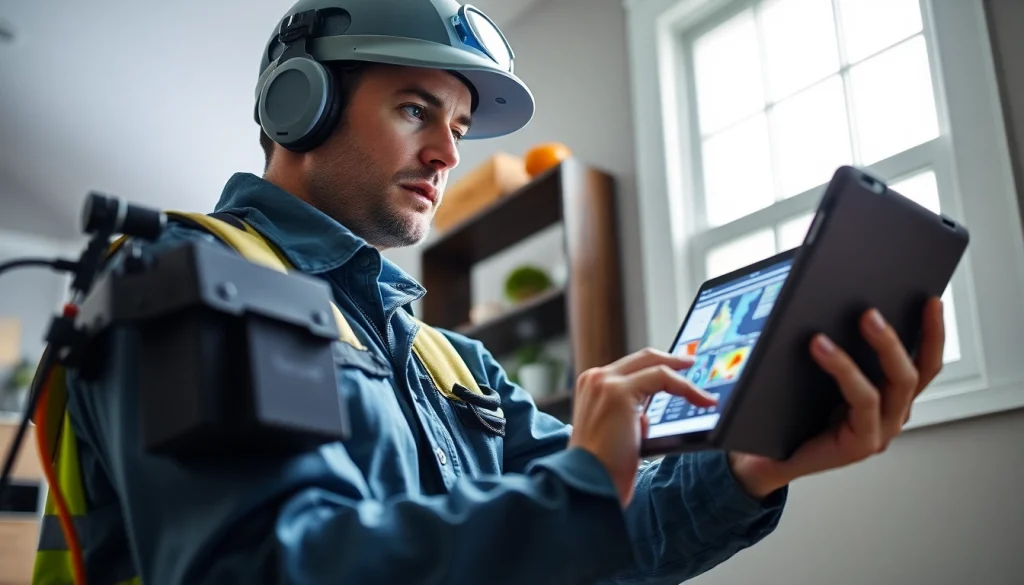
Leak detection refers to the process of identifying and locating leaks within plumbing systems, whether they are related to water, gas, or heating systems. This process typically uses advanced technologies and methodologies to accurately pinpoint the source of a leak without causing unnecessary damage to the property. Professionals in the leak detection field use various tools, such as thermal imaging cameras and acoustic listening devices, to ensure precision and minimize disruption during the detection process.
The Importance of Timely Leak Detection
Addressing leaks promptly is paramount for several reasons:
- Preventing Property Damage: Leaks can lead to significant damage, including mold growth, structural issues, and damage to personal belongings.
- Saving Money: Early detection of leaks can help reduce utility bills and avoid extensive repair costs associated with prolonged leaks.
- Ensuring Health and Safety: Gas leaks pose immediate risks to health and safety, making prompt detection and repair essential.
Types of Leaks Commonly Detected in Homes
Homeowners may encounter various types of leaks, including:
- Water Leaks: These are common in supply lines, drainage systems, and irrigation setups. Undetected leaks can cause severe damage to drywall, flooring, and ceilings.
- Gas Leaks: Often associated with older appliances or poorly installed gas lines, these leaks can pose serious safety hazards.
- Heating System Leaks: Issues in boilers, radiators, or underfloor heating systems can lead to inefficiencies and pose risks during colder months.
Advanced Technologies in Leak Detection
The evolution of leak detection technologies has transformed the way professionals identify and resolve plumbing issues. With the integration of modern tools, service providers can achieve more accurate and efficient results.
State-of-the-Art Equipment: An Overview
Modern leak detection employs various state-of-the-art equipment, including:
- Thermal Imaging Cameras: These cameras detect temperature variations caused by leaks, allowing technicians to visualize issues behind walls or under floors.
- Acoustic Listening Devices: These tools amplify sounds made by escaping water or gas, making it easier to locate leaks even in buried pipes.
- Pressure Testing: By monitoring pressure changes in specific sections of a plumbing system, professionals can confirm leak locations accurately.
Non-Invasive Techniques Explained
Non-invasive leak detection techniques are particularly advantageous as they minimize damage to the property. These techniques include:
- Moisture Mapping: This technique involves assessing moisture levels in various areas to identify potential leaks without invasive exploratory work.
- Internal Video Inspection: A small camera is introduced into the plumbing system, allowing technicians to visually inspect for blockages or leaks without digging or removing fixtures.
How Technology Improves Leak Detection Accuracy
Advancements in technology have drastically improved the accuracy of leak detection. Innovations like artificial intelligence can analyze data collected from various sensors, helping to accurately pinpoint leaks faster than traditional methods. Additionally, automated reporting systems provide homeowners with clear findings and recommendations, ensuring they understand the necessary steps to address any identified issues.
Common Challenges in Leak Detection
Despite advancements in leak detection technologies, several challenges still exist in identifying and managing leaks effectively.
Identifying Hidden Leaks: What to Look For
Hidden leaks can be particularly troublesome for homeowners. Signs that may indicate a hidden leak include:
- Unexplained increases in water bills
- Visible water stains on ceilings or walls
- Mold growth in damp areas
Misinformation about Leak Detection Services
Misinformation can lead homeowners to overlook the necessity of professional leak detection, believing DIY methods will suffice. However, without specialized knowledge and tools, such attempts can often worsen the situation or result in misdiagnoses.
The Costs Associated with Delay in Detection
Delaying leak detection can lead to increased repair costs and extensive property damage. Homeowners may face additional expenses from structural repairs, mold remediation, and increased utility bills. Therefore, addressing leaks at the first sign is an investment in the home’s future.
Choosing a Professional Leak Detection Service
Engaging a qualified leak detection service is essential for accurate and efficient leak management. But how can homeowners ensure they are making the right choice?
What to Expect from a Certified Technician
A certified technician should offer a thorough assessment, utilizing advanced technologies to pinpoint leaks accurately. They should provide a comprehensive report detailing their findings and suggested repairs.
Questions to Ask Before Hiring a Leak Detection Service
When selecting a leak detection service, it’s crucial to ask the following questions:
- What technologies do you use for leak detection?
- Can you provide references or testimonials from previous clients?
- What is your policy on guarantees and after-service support?
Assessing the Value of No Find No Fee Guarantees
No Find No Fee guarantees are often a hallmark of reputable leak detection companies. This assurance indicates that you will only pay for services if a leak is found, adding an extra layer of confidence when selecting a provider. It emphasizes the company’s commitment to delivering results effectively.
Future Trends in Leak Detection for 2025 and Beyond
The field of leak detection is continuously evolving, with new technologies and methodologies emerging. Understanding these trends can prepare homeowners for future leak management.
Emerging Technologies and Methods
In 2025 and beyond, the integration of machine learning in leak detection will likely become standard. Such technologies can use historical data to predict potential leak sites, allowing for proactive measures before leaks occur.
Predictions for the Leak Detection Industry
The leak detection industry is expected to expand as awareness of the importance of early detection grows. Techniques focusing on environmental sustainability, such as using eco-friendly methods for leak repairs, are also likely to see an increase.
How Homeowners Can Prepare for Future Leak Issues
To prepare for potential leak issues in the future, homeowners should regularly maintain their plumbing systems, consider smart home technologies that monitor water usage, and seek professional assessments periodically. This proactive approach can significantly reduce the chances of a severe leak developing unnoticed.