How to Collect Old Computers for Free: A Comprehensive Guide
Understanding the Importance of Collecting Old Computers for Free
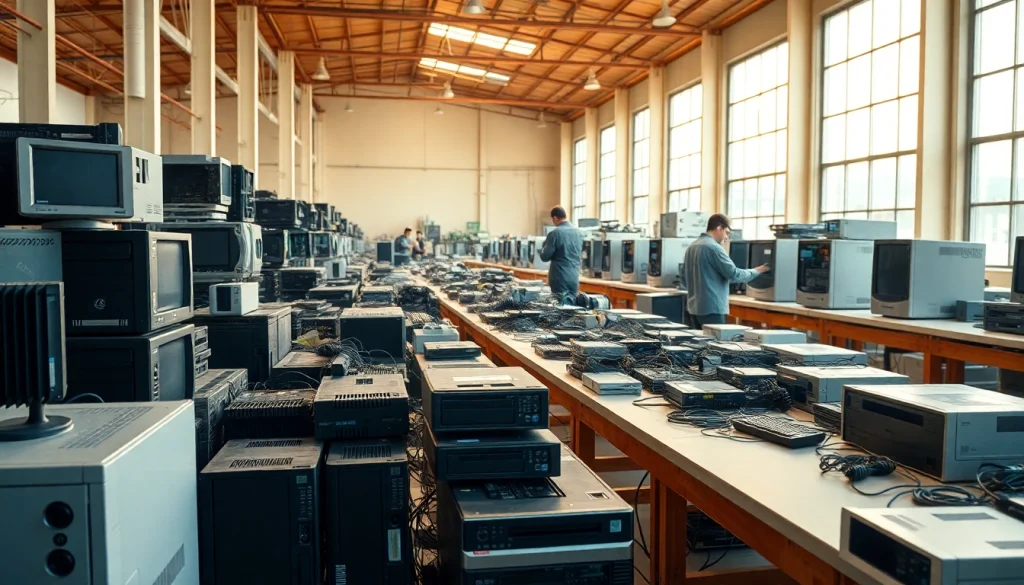
In our rapidly evolving digital landscape, the question of what to do with outdated technology often arises. With the increasing demand for newer models, many people find themselves with old computers that no longer serve their needs. However, rather than letting these devices gather dust, individuals can make a positive impact on the environment and their communities. To truly understand the significance of this initiative, let’s delve into the reasons behind collect old computers for free and how it contributes to a sustainable future.
Why Recycling Electronics Matters
Recycling electronics has become a pressing concern as technological advances continue to proliferate. Many individuals do not realize that electronic waste (e-waste) includes not just old computers but a wide range of devices that can be harmful to the environment if disposed of improperly. E-waste contains metals such as lead, mercury, and cadmium, which leach into the soil and water, posing significant health risks. By recycling old computers, we can support responsible waste management practices while reducing the hazards posed by toxic materials.
Environmental Impact of E-Waste
The environmental impact of e-waste cannot be understated. According to the United Nations, humans produced approximately 53.6 million metric tons of e-waste in 2019, only 17.4% of which was recycled. The remaining waste often finds its way to landfills, where it decomposes, releasing toxic compounds into ecosystems. This damages biodiversity and affects human health indirectly through soil and water contamination. If the trend continues, it is projected that e-waste will rise to 74.7 million metric tons by 2030, highlighting an urgent need for proactive recycling efforts.
Benefits of Collecting Old Computers
There are myriad benefits associated with collecting old computers for recycling. Firstly, recycling conserves precious resources. Instead of extracting raw materials for new devices, recycling allows us to recover valuable metals and plastics. Secondly, it creates job opportunities within the recycling and waste management industry, contributing to local economies. Lastly, participating in e-waste recycling helps raise awareness about environmental issues, encouraging more sustainable behaviors in the community. Engaging in such practices cultivates a culture of responsibility towards the environment.
Methods to Collect Old Computers for Free
Understanding the various methods available for disposing of old computers for free is essential for making a significant impact. Whether community-driven initiatives or local government promotions, there are numerous opportunities to engage in e-waste collection without incurring costs.
Local Recycling Events and Initiatives
Many local governments and organizations host recycling events to facilitate e-waste disposal. Often free of charge, these events allow residents to drop off their old computers and other electronics for responsible recycling. For instance, local government websites often advertise such events, providing dates, times, and acceptable items. Participation in these events empowers community members and allows for collective action towards a cleaner environment.
Community Programs for E-Waste
In addition to formal recycling initiatives, many nonprofit organizations and community groups run e-waste collection programs. These programs may include regular pickups or special collection drives, often targeting schools or community centers. Collaborating with these programs not only supports their efforts but encourages community members to think critically about electronic waste disposal.
Utilizing Online Platforms for Collecting
With the digital era upon us, leveraging online platforms offers another avenue to collect old computers for free. Websites and social media groups exist specifically for trading or donating electronics. Localized platforms enable individuals to connect with those who are interested in taking old devices for personal use or refurbishment. This direct connection fosters a spirit of sharing and promotes the idea that someone else can benefit from what is no longer needed.
Preparing Your Old Computers for Recycling
Once you’ve decided to recycle your old computers, preparation is crucial. Ensuring that your devices are ready for collection not only safeguards your personal information but also facilitates a smooth recycling process.
Data Wiping and Security Measures
Before handing over your old computer, it’s essential to wipe the data securely. Sensitive information may reside on hard drives, and if not properly cleaned, it can fall into the wrong hands. Utilize software tools designed specifically for data wiping, such as DBAN or Eraser, which overwrite existing data multiple times. Always double-check that your personal information is no longer accessible and consider utilizing professional data destruction services if you’re unsure of your ability to wipe it correctly.
How to Package Electronics Safely
Proper packaging ensures that electronics remain safe during transportation to recycling centers. Use bubble wrap or padded boxes to protect components from physical damage. Eco-friendly packing materials can also be utilized to decrease environmental impact. Avoid sending power cords or accessories unless specified, as some recycling centers may not accept additional items.
Understanding Local Regulations for Disposal
Different regions have specific regulations governing the disposal of electronic waste. Familiarizing yourself with local laws ensures compliance and encourages responsible behavior. Many states have enacted laws that prohibit the disposal of e-waste in landfills, making it imperative to collect old computers for free through authorized channels. Consulting local waste management facilities or government websites can provide valuable guidance.
Frequently Asked Questions about E-Waste Recycling
What Can I Do with Broken Computers?
Broken computers can often be repaired, recycled, or repurposed. Contact local e-waste recycling centers to see if they accept damaged devices and ensure they are disposed of responsibly.
Are there Fees Associated with Recycling?
Many community recycling initiatives offer free services for e-waste disposal. However, some specialized programs may charge fees for specific items or services. Always check ahead of time.
How to Find Local Collectors for Old Computers?
To find local collectors, explore community bulletin boards, municipal websites, or social media platforms where local e-waste initiatives may be promoted. Local libraries and schools are also good sources of information.
What Happens to My Data After Collection?
After collection, reputable recycling centers follow data destruction protocols, ensuring your information is permanently erased. Always choose a facility certified for e-waste recycling for peace of mind.
Can I Donate My Old Computer Instead?
Yes, donating your old computer is a great option if it still functions well. Schools, nonprofits, and community organizations often seek donations for education and outreach efforts.
Maximizing the Sustainability of Your Disposal Efforts
Your efforts to recycle old computers contribute significantly to sustainable waste management practices. However, understanding how to maximize these efforts can enhance your positive impact.
Long-term Benefits of Proper E-Waste Disposal
Engaging in responsible e-waste disposal offers long-term benefits, including resource conservation, reduced environmental contamination, and a sustainable future for technology. By maintaining a commitment to proper electronics recycling, communities can foster a healthier environment for generations to come. Continuous participation in recycling initiatives promotes a more sustainable culture.
How Corporations Can Lead in Recycling
Corporations have a responsibility to lead by example in e-waste recycling. By establishing comprehensive recycling programs for their outdated devices, they set a standard for employees and consumers alike. Companies can collaborate with recycling facilities to ensure proper disposal of their electronic waste while contributing to broader sustainability goals.
Future Trends for E-Waste Management
Future trends in e-waste management aim to improve recycling processes and consumer participation. Innovations such as urban mining, where precious metals are extracted from old electronics, are becoming more viable. Additionally, increased awareness campaigns will encourage consumers to take responsibility for their electronics disposal, fostering a culture of sustainability.