
 admin
admin 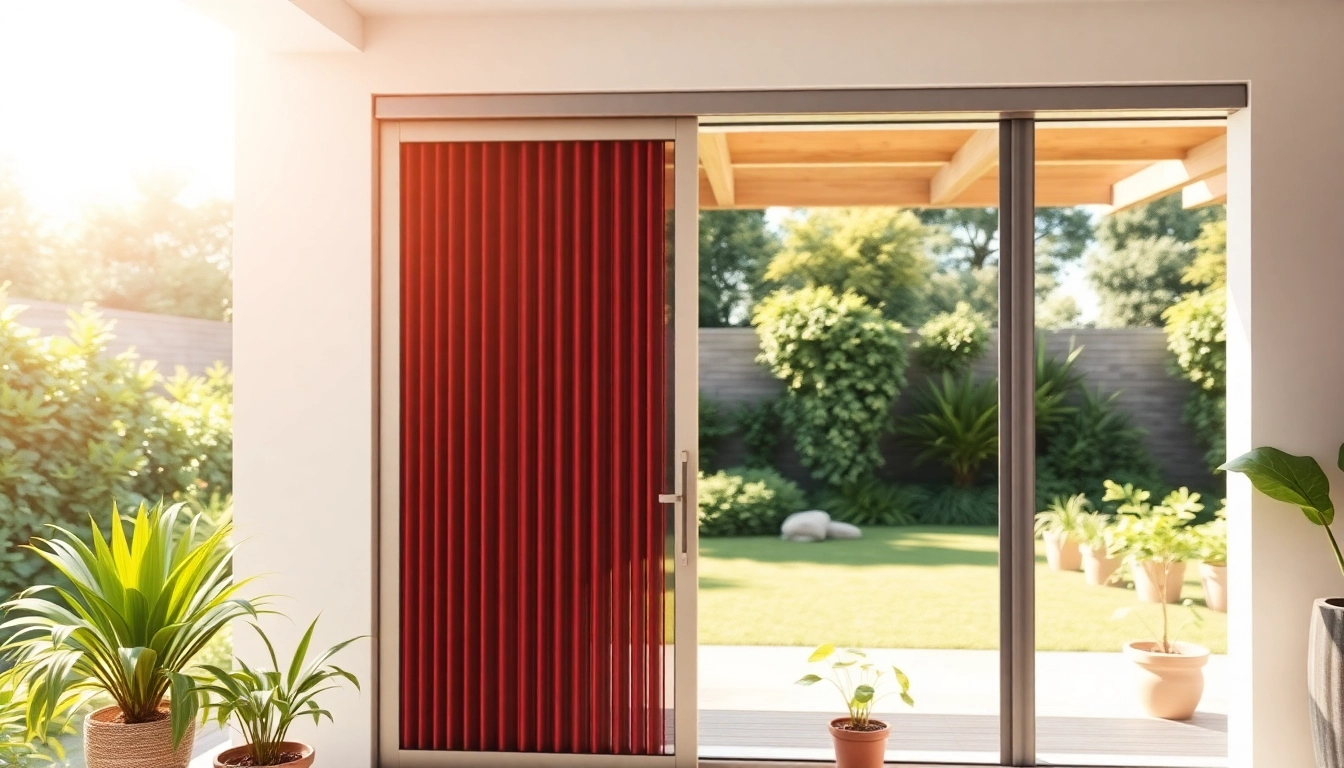
Introduction to Fly Screen Door
In today’s world, creating a comfortable home environment that also keeps unwanted pests at bay is essential. One innovative solution is the fly screen door. This door not only enhances ventilation but also acts as a barrier against insects, dust, and wildlife. In this article, we will explore everything about fly screen doors, from the types available to the installation process, maintenance tips, and common questions to help you make an informed decision.
What is a Fly Screen Door?
A fly screen door is a mesh barrier fixed to doorways, allowing air to circulate while preventing insects such as flies, mosquitoes, and other pests from entering your home. Made from various materials, these doors can be customized to fit your specific doorway dimensions and aesthetic preferences. They are commonly used in homes, patios, and outdoor areas where fresh air is desired without unwanted guests.
Key Benefits of Using a Fly Screen Door
- Insect Protection: The primary benefit is effective insect prevention, keeping your living spaces free from pests.
- Enhanced Ventilation: Fly screen doors allow for fresh air flow, reducing reliance on air conditioning during warmer months.
- Energy Efficiency: By improving airflow, these doors can contribute to energy savings in cooling costs.
- Versatile Designs: Available in various styles and materials, they can complement any home’s design.
- Customizable Options: Many options can be tailored to fit uniquely shaped or sized doorways.
Common Misconceptions About Fly Screen Doors
Despite their growing popularity, there are several misconceptions about fly screen doors.
- “They Are Difficult to Install”: Many models are designed for easy installation, requiring minimal tools.
- “They Are Weak and Fragile”: Quality materials make many fly screen doors durable and long-lasting.
- “They Only Block Flies”: They can effectively block a variety of insects, including mosquitoes and wasps.
- “They Limit Visibility”: Modern fly screens are designed to be transparent, maintaining visibility while providing protection.
Types of Fly Screen Doors
Sliding Fly Screen Door Options
Sliding fly screens are a popular choice for patio doors or large entryways. They operate similarly to sliding glass doors and can be opened or closed easily. A notable advantage is that they do not impede normal entry and exit, making them user-friendly. These doors can be made from aluminum or fiberglass frames, providing robustness without compromising visibility.
Fixed vs. Retractable Fly Screen Doors
Choosing between fixed and retractable options depends on your needs:
- Fixed Fly Screens: These consist of a permanent installation that provides constant protection. They are ideal for windows or doorways that do not require regular access.
- Retractable Fly Screens: These screens can be pulled down or rolled up depending on whether they are needed. This option offers flexibility and is appealing for aesthetics, as they are usually hidden when not in use.
Customizing Your Fly Screen Door
Customization options can greatly enhance the functionality and aesthetics of your fly screen door. Consider the following:
- Material Choices: From fibreglass to aluminum, select a material that complements your home’s decor.
- Frame Colors: A variety of frame colors can be chosen to match or accentuate the doorway.
- Mesh Options: Different mesh types are available based on the level of protection and visibility desired.
- Sizes: Custom sizes ensure a perfect fit for any doorway, with non-standard dimensions available upon request.
Installation of a Fly Screen Door
Tools Required for Installation
Installing a fly screen door doesn’t require specialized tools, but having the following equipment will simplify the process:
- Measuring tape
- Drill and drill bits
- Screwdriver
- Level
- Pencil or marker
Step-by-Step Installation Guide
Follow these steps for a successful installation:
- Measure Your Doorway: Get accurate measurements to ensure the fly screen door fits perfectly.
- Prepare the Frame: Assemble the screen frame according to the manufacturer’s instructions.
- Position the Frame: Use a level to ensure it’s straight, marking where screws will be placed for stability.
- Attach the Frame: Secure the frame to the door frame using screws, ensuring it’s tightly fitted.
- Install the Mesh: Attach the mesh screen to the frame, making sure it is taut and secure.
Common Installation Issues and Solutions
During installation, you might encounter some challenges. Here are common issues and solutions:
- Misaligned Frame: If the frame is not even, use a level to adjust it before securing it with screws.
- Incorrect Measurements: Double-check measurements before cutting or attaching components.
- Screen Material Wrinkles: Ensure the mesh is taut during installation to avoid wrinkles that may attract insects.
Maintenance Tips for Fly Screen Door
Cleaning Your Fly Screen Door
Regular cleaning is essential to keep your fly screen door functional and visually appealing. Here’s how:
- Remove the screen from the frame.
- Use a soft brush or vacuum to remove loose dirt.
- Wash with mild soap and water, then rinse with clear water.
- Allow the screen to dry completely before reinstallation.
Common Repairs and How to Address Them
Over time, you may need to address minor repairs:
- Small Holes or Tears: Use screen repair patches for small damage to maintain functionality.
- Frame Damage: Check hinges and screws regularly, tightening or replacing as necessary.
- Mesh Replacement: If the mesh becomes worn or damaged, replacing it is simpler than replacing the whole door.
Extending the Life of Your Fly Screen Door
To maximize the lifespan of your fly screen door:
- Avoid slamming the door, as it may weaken the frame over time.
- Keep the area around the door clear of debris that may cause wear.
- Perform routine inspections to catch wear and tear early.
Fly Screen Door FAQ
How effective is a fly screen door for insect prevention?
Fly screen doors are highly effective in keeping out common insects while allowing air circulation. Proper installation enhances their effectiveness.
Can I install a fly screen door on my own?
Yes! Most fly screen doors come with detailed installation instructions that make DIY installation straightforward and achievable with basic tools.
What materials are fly screen doors made of?
Fly screen doors can be made from a variety of materials including aluminum, fiberglass, and PVC, each offering different benefits in terms of durability and aesthetics.
Are there aesthetic options for fly screen doors?
Absolutely! Fly screen doors are available in multiple colors, materials, and designs that can complement the décor of any home while offering practical benefits.
How often should I clean my fly screen door?
It’s best to clean your fly screen door every couple of months to prevent dirt buildup, though high-traffic areas may require more frequent cleaning.