
 admin
admin 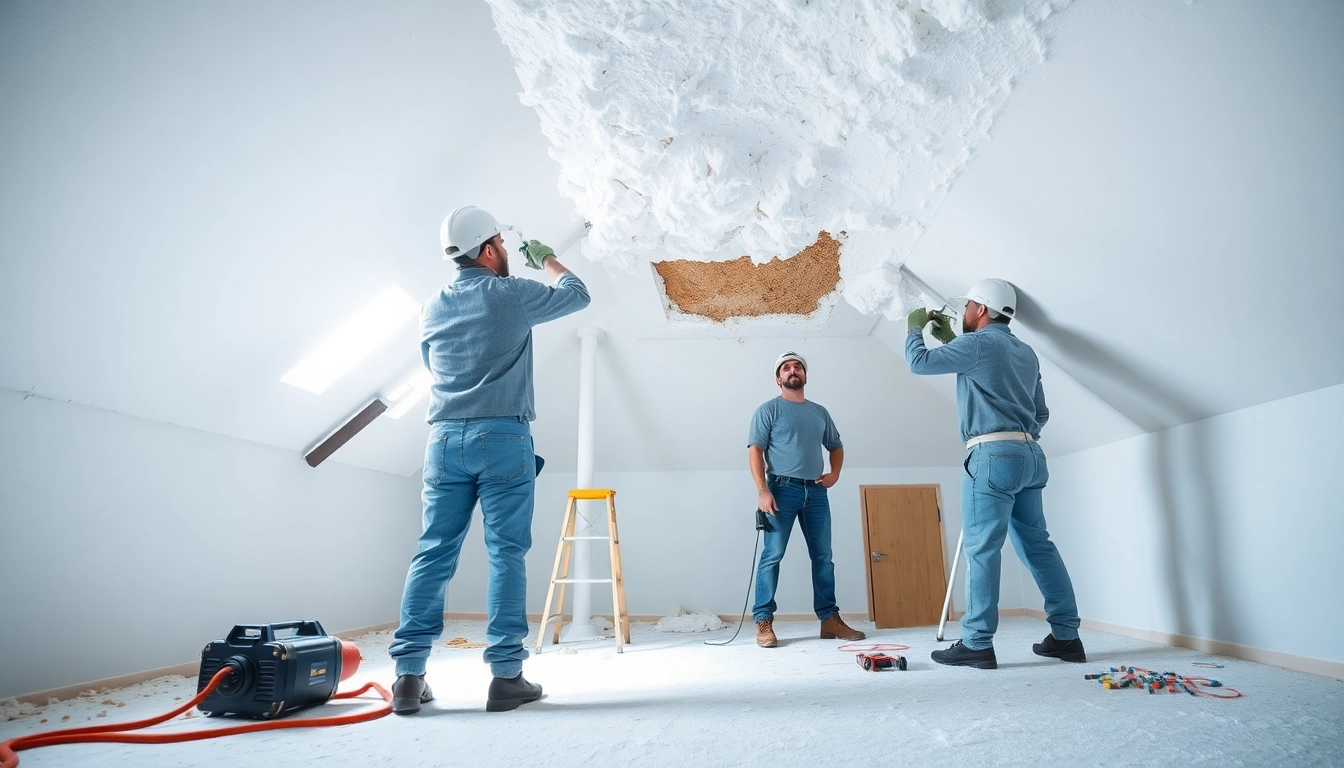
Understanding Spray Foam Removal Hampshire
Spray foam insulation has become a popular choice for homeowners in Hampshire due to its excellent thermal performance and energy efficiency. However, the necessity of spray foam removal Hampshire sometimes arises when the material leads to complications or is no longer effective. This guide aims to provide comprehensive details on the importance of spray foam removal, the process involved, post-removal tasks, and how to choose the right professionals for the job.
What is Spray Foam Insulation?
Spray foam insulation is a type of insulation that is applied as a liquid and expands into a foam to fill gaps, cracks, and holes in a building’s structure. This insulation is composed mainly of isocyanate and polyol resin, mixed on-site during application. Once applied, it hardens and creates an airtight seal that helps to reduce energy costs by preventing air leaks. The versatility and efficiency of spray foam insulation have made it a favored option among builders and homeowners alike.
The Need for Spray Foam Removal
While spray foam insulation has many benefits, there are situations where removal becomes necessary. Over time, spray foam may deteriorate, lose its insulating properties, or develop an unpleasant odor due to moisture retention. In some cases, improper installation can lead to structural issues or health concerns due to off-gassing of chemicals. Other reasons for spray foam removal include renovation or remodeling projects where existing insulation needs to be replaced with a different type. Understanding these contexts is essential for homeowners to make informed decisions about insulation needs.
Common Issues with Spray Foam
Despite its advantages, spray foam insulation can encounter several common issues:
- Degradation: Exposure to moisture or UV light can cause spray foam to break down, leading to its inefficacy.
- Odor issues: Over time, spray foam may emit odors, especially if it absorbs moisture or if the chemicals began to break down.
- Structural problems: Improper installation can lead to mold growth and structural instability.
- Allergens: Any degradation or trapped moisture may foster mold growth, contributing to poor indoor air quality.
Step-by-Step Process of Spray Foam Removal
Preparation and Safety Measures
Before embarking on the spray foam removal process, adequate preparation is crucial. This involves preparing the area by removing furniture, covering floors, and ensuring that windows are open to promote ventilation. Safety measures include wearing personal protective equipment (PPE), such as gloves, goggles, and a mask to prevent inhalation of particles or fumes. Ensure that the area is free of any hazardous materials that can complicate the removal process.
Tools Required for Removal
The right tools can make the spray foam removal process more efficient:
- Scrapers: Manual or electric scrapers help peel away the foam from surfaces without causing damage.
- heat guns: These can soften the foam, making it easier to remove.
- Protective equipment: This includes masks, gloves, and goggles to protect against inhalation of dust and particles.
- Waste Disposal Bags: For safe disposal of foam and any debris.
Executing the Removal Effectively
The execution of the removal process should be systematic to ensure thoroughness and safety. Start with the edges where the spray foam meets other surfaces, then use a heat gun to soften the foam, making it easier to remove. Gradually work your way inside the area, and utilize scrapers for complete removal. Constantly monitor for any remaining residue, as leaving foam behind can lead to further complications.
Post-Removal Actions and Clean-Up
Inspection for Residual Foam
Once the main removal has been completed, a thorough inspection for any residual foam is vital. Residues can interfere with subsequent insulation expectations or lead to difficulties in future renovations. Use a flashlight to inspect hidden sections and ensure that the area is clean and free of any leftover foam particles.
Assessing Damage to Surrounding Areas
After removal, examine the surrounding areas for any potential damage that may have occurred. Inspect walls and ceilings for cracks or weakened structures that might need repairs. It’s essential to address these issues before new insulation is applied to avoid future concerns.
Cleaning Techniques After Removal
Clean the area thoroughly to eliminate any dust or particles that may still be present. Use a vacuum equipped with a HEPA filter to effectively capture microscopic debris. Follow up by wiping surfaces with damp cloths to remove any remaining residue. Proper clean-up is crucial to prepare the space for future insulation or renovations.
Choosing the Right Professionals for Spray Foam Removal Hampshire
What to Look for in a Service Provider
When choosing professionals for spray foam removal, several factors should be considered:
- Experience: Look for companies with a proven track record in insulation removal.
- Certifications: Ensure they have the necessary qualifications and certifications for handling insulation materials.
- Insurance: A good service provider should have liability insurance to protect you and their workers during the process.
Understanding Cost Factors
The cost of spray foam removal can vary depending on various factors, including the size of the area, the complexity of the installation, and the type of services required. Generally, costs may range based on these considerations, so obtaining multiple quotes can help discern a reasonable price. Ensure that you understand what is included in each quote to avoid hidden fees.
Questions to Ask Before Hiring
Before making a final decision, consider asking the following questions:
- What experience do you have with spray foam removal?
- Can you provide client references?
- What safety protocols do you follow during removal?
- Do you offer a warranty on your work?
FAQs About Spray Foam Removal Hampshire
How long does the spray foam removal process take?
Typically, the process can take a few hours to a couple of days depending on the area to be treated.
Is spray foam removal safe for my home?
Yes, when handled by professionals, spray foam removal is performed safely, minimizing risks to your home.
What happens to the area after removal?
Post-removal, surfaces are often cleaned and inspected for any damage or repairs needed.
Do I need permits for spray foam removal?
This can vary by location; check local regulations before proceeding with removal to ensure compliance.
Can I do the removal myself?
While DIY is possible, it is recommended to hire professionals for safety and effectiveness in the removal process.